

We support and represent the communities that manage common lands.
At BPAFDR, we believe that community management is a modern, efficient, and strategic solution to the challenges of territory, climate, and rural development.
About us
BPAFADR – Baldios de Portugal – Associação Florestal, Ambiental e de Desenvolvimento Rural represents and supports the management communities of common lands, promoting sustainable forest management models, generating economic value and nature-based climate solutions.
We work to strengthen the autonomy of local communities, structure carbon and ecological restoration projects, attract national and European funding, and establish common lands as a pillar of Portuguese forest policy.
Mission, Vision and Values
- Sustainability
- Community governance
- Climate resilience
- Transparency
What do we do?
Forest Management and Silvopastoralism
Climate and Carbon
- Carbon projects (Plan Vivo, Social Carbon, etc.)
- Ecological restoration
- Avoiding degradation
- Monotoring and reporting
Rural Development and Communities
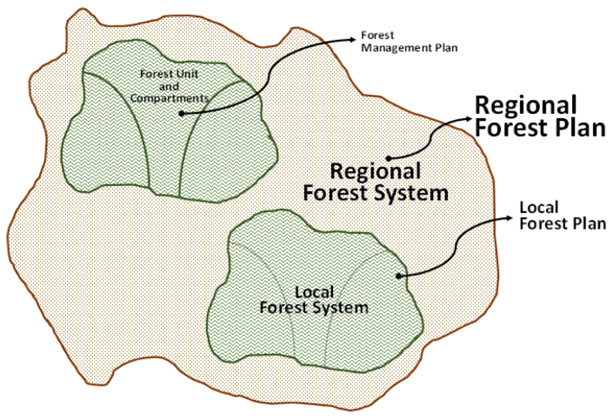
Forest Management Plans
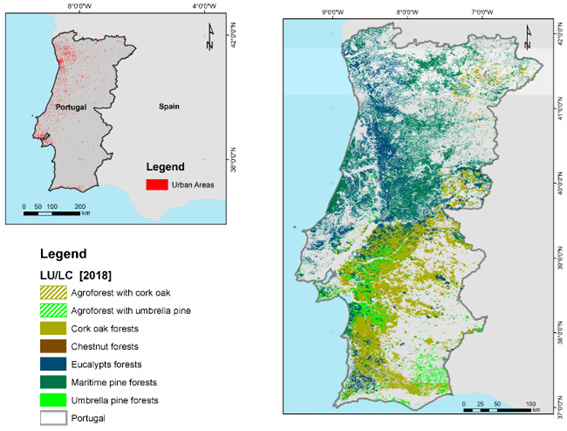
Forest Management Plans (FMPs) are fundamental instruments for ensuring sustainable and responsible management of community territories. These plans define the technical guidelines for the use and enhancement of forest areas, ensuring the conservation of natural resources, the protection of biodiversity, and the sustainable production of forest goods and services.
In common lands, FMPs allow for medium- and long-term forest management planning, integrating objectives such as fire prevention, the economic valorization of timber and other forest products, soil and water conservation, and the improvement of landscape resilience to climate change.
Fuel management mosaics
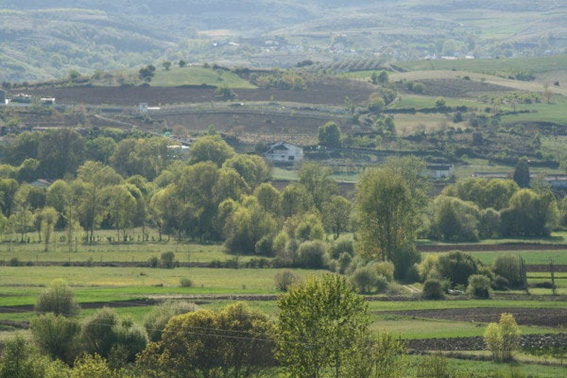
Fuel management mosaics are an essential strategy for reducing the risk and intensity of rural fires. They consist of organizing the landscape into different types of land use—forest, agricultural areas, pastures, and open areas—creating discontinuities that hinder the spread of fire.
In common land areas, these mosaics can integrate managed forest areas, grazing areas, agricultural plots, and ecological corridors, simultaneously contributing to fire prevention, landscape diversity, and the economic enhancement of the territory.
Agro-silvo-pastoral system
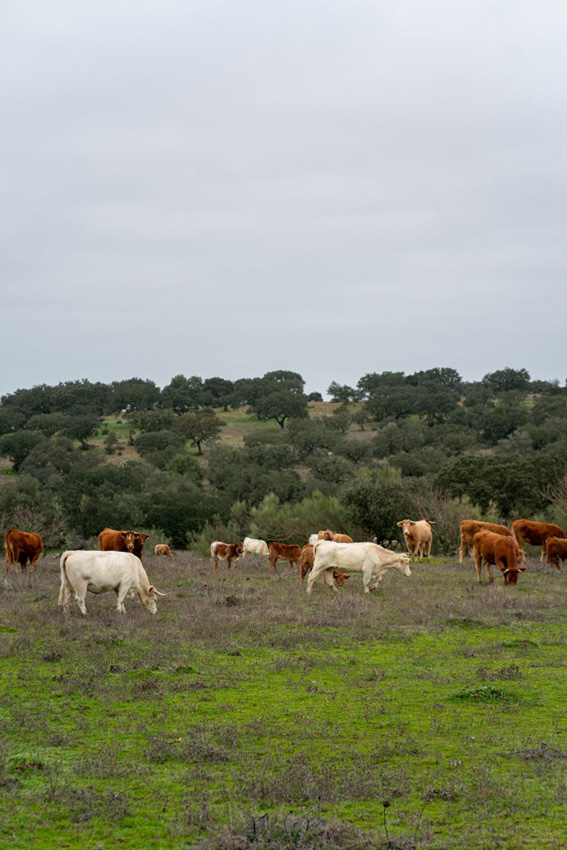
Agro-silvo-pastoral systems combine agricultural, forestry, and livestock activities in an integrated way within the same territory. These traditional systems, deeply rooted in Portuguese rural landscapes, promote a balanced use of natural resources and contribute to the maintenance of multifunctional landscapes.
In common lands, the integration of forest, pastures, and extensive grazing reduces the accumulation of plant fuel, improves soil fertility, increases biodiversity, and creates economic opportunities for local communities.
Valuing native species
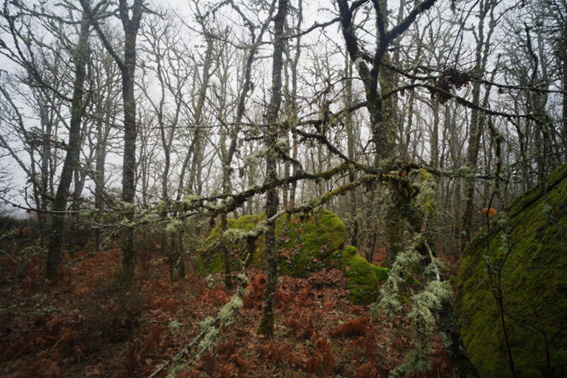
The promotion and enhancement of native species is a central element in the sustainable management of common lands. Species such as oak, chestnut, cork oak, or maritime pine are better adapted to local ecological conditions and play a key role in biodiversity conservation and ecosystem stability.
Investing in these species helps increase the resilience of forests to pests, diseases, and climate change, while also allowing for the valorization of quality forest products and strengthening the natural heritage of rural landscapes.
Carbon Projects (Plan Vivo, Social Carbon, etc.)
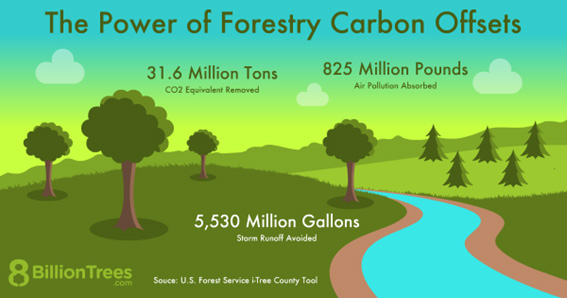
We develop carbon projects based on nature-based solutions, focusing on land enhancement, active landscape management, and the creation of lasting environmental, social, and economic benefits. These projects can be aligned with internationally recognized frameworks such as Plan Vivo, Social Carbon, or other applicable certification mechanisms, depending on the characteristics of the territory and the defined objectives.
The approach involves identifying areas with potential for carbon sequestration, conservation of existing stocks, ecological restoration, and improvement of management practices. Simultaneously, the involvement of local communities and management entities is promoted, ensuring that projects not only generate carbon credits but also positive impacts on biodiversity, fire risk reduction, enhancement of traditional uses, and the revitalization of the rural economy.
More than a financial instrument, carbon projects constitute an integrated territorial management tool, capable of supporting common lands in the transition to more resilient, sustainable, and long-term value-generating models.
Ecological restoration
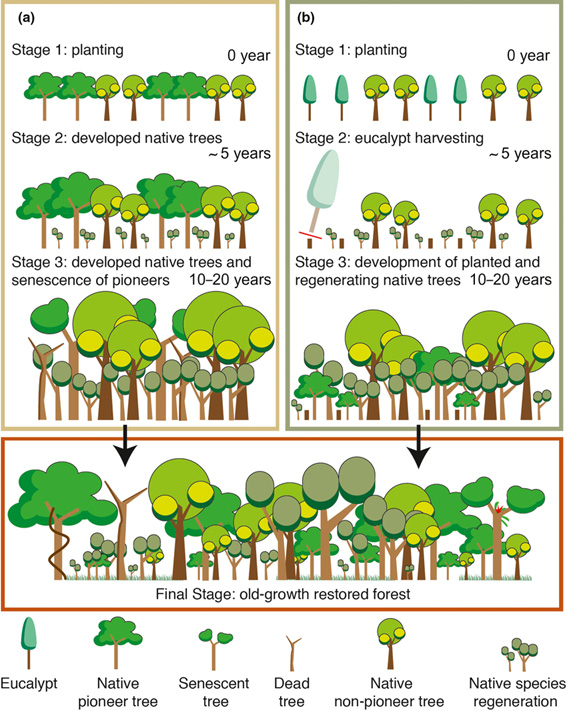
Ecological restoration aims to recover the functionality of degraded ecosystems, reinforcing their capacity for regeneration, adaptation, and provision of environmental services. In common lands, this can translate into the recovery of burned areas, the reconstitution of riparian galleries, the reconversion of unsuitable settlements, the reinforcement of native vegetation, and the improvement of conditions for native fauna and flora.
This intervention is not limited to planting trees. It presupposes ecological diagnosis, the definition of clear objectives, the appropriate choice of species and techniques, and continuous monitoring of the system’s evolution. The goal is to restore ecological processes, increase biodiversity, improve the soil, reinforce water retention in the landscape, and create territories more resilient to climate change.
Ecological restoration is, therefore, a strategic investment in the recovery of natural capital and the construction of multifunctional landscapes that are more balanced and better prepared for the future.
Avoiding degradation
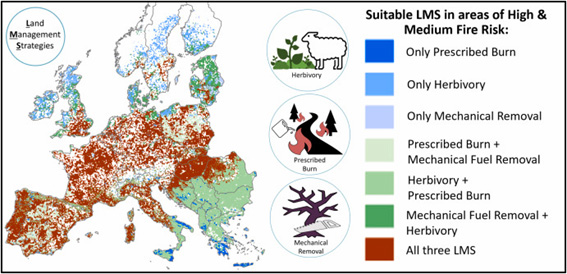
Avoiding degradation is, in many cases, as important as restoration. Preventing the loss of ecological quality in ecosystems allows for the conservation of carbon, biodiversity, soil fertility, and hydrological functions, avoiding much higher future recovery costs.
In common lands, this approach can include fuel management, erosion control, reducing pressure on sensitive habitats, preventing rural fires, limiting inappropriate practices, and promoting land use models compatible with the conservation of natural resources. It is about acting before the breakdown, protecting systems that are still functional but vulnerable to processes of abandonment, overexploitation, or ecological simplification.
Avoiding degradation represents a smart territorial management strategy, based on anticipating risks and maintaining the ecological and economic value of the territory over time.
Monotoring and reporting
The credibility of any territorial project requires robust monitoring and reporting systems. Tracking the progress of implemented actions, measuring results, and documenting impacts is essential to ensure transparency, learning, and trust from communities, partners, and potential funders.
In projects developed in uncultivated land, monitoring can focus on biophysical, ecological, social, and economic indicators, such as the evolution of vegetation cover, soil condition, reduction of fire risk, presence of key species, carbon sequestered or conserved, and benefits generated for local populations. Reporting allows this information to be organized in a structured way, demonstrating progress, compliance with applicable methodologies, and management capacity.
More than a technical obligation, monitoring and reporting are fundamental tools for improving decisions, adjusting interventions, and ensuring that the value generated by the territory is properly recognized and communicated.
Technical support to shareholders
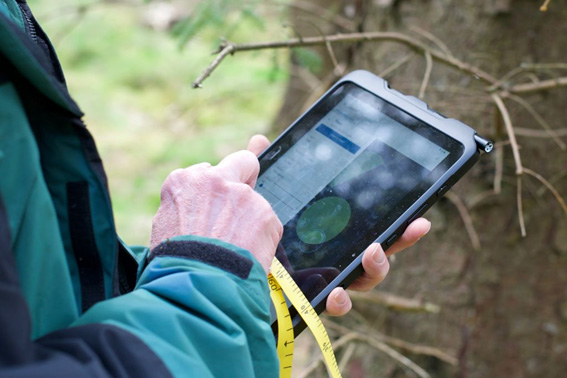
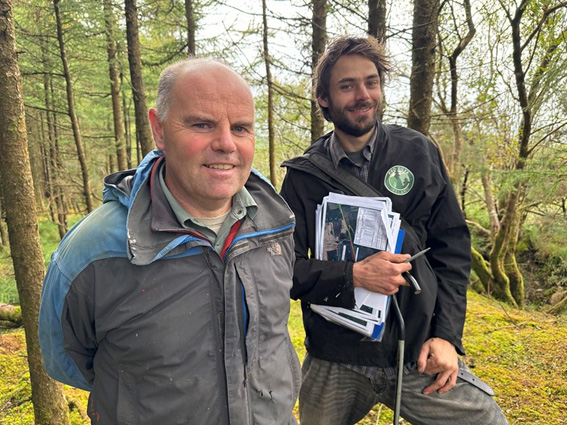
Technical support for landholders is a central element in the sustainable management of common lands. Through specialized monitoring, technical and strategic advisory services are provided to help local communities make informed decisions about the management of their territories.
This support can cover areas such as forest planning, fuel management, natural resource enhancement, ecological restoration, carbon project development, access to funding programs, and implementation of rural development initiatives. The goal is to strengthen the management capacity of communities, promoting solutions adapted to the ecological, social, and economic characteristics of each territory.
By combining technical knowledge with local wisdom accumulated over generations, support for landholders contributes to strengthening community governance, improving landscape management, and creating new opportunities for the sustainable enhancement of common lands.
Applications for funding (PEPAC, PRR, ect.)
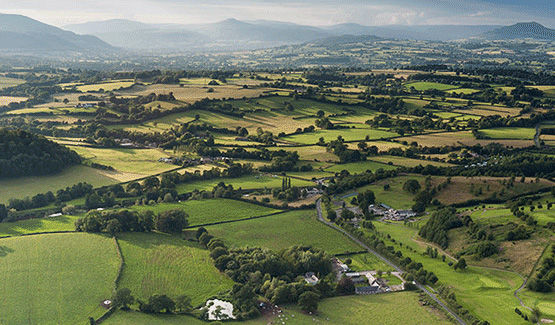
Access to financing instruments is essential to enable investments in the sustainable management of the territory. Common lands can benefit from various national and European support programs, including mechanisms associated with agricultural and forestry policy, economic recovery programs, and funds dedicated to nature conservation and climate adaptation.
Technical support for applications includes identifying the most appropriate funding opportunities, preparing projects and technical dossiers, developing investment plans, and coordinating with relevant public and private entities. Programs such as PEPAC, PRR, or other structural funds can support interventions such as forest management, fire prevention, ecological restoration, enhancement of natural resources, and the development of sustainable economic activities.
A well-structured application significantly increases the chances of success and allows for the mobilization of essential financial resources to transform territorial management strategies into concrete actions on the ground.

Nature economy
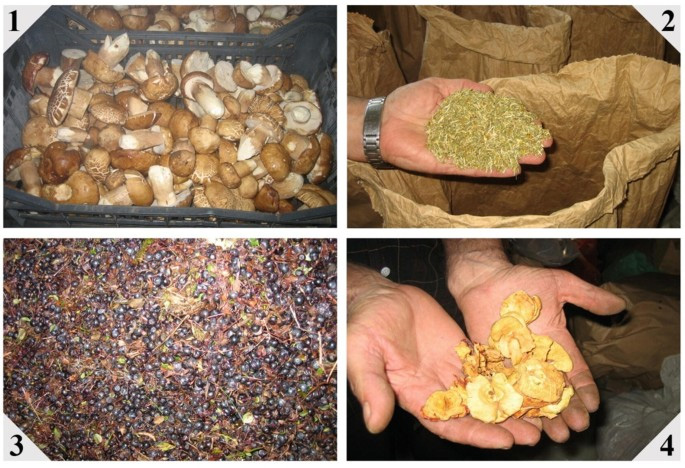
The nature economy is based on the sustainable valuation of natural resources, promoting economic activities that depend on the conservation and good management of ecosystems. In common lands, this approach can include the production and marketing of non-timber forest products, such as mushrooms, honey, chestnuts, aromatic and medicinal plants, as well as activities related to extensive grazing and silvopastoralism.
By integrating principles of ecological sustainability and local development, the nature economy contributes to diversifying the income sources of rural communities, while simultaneously reinforcing biodiversity conservation and the maintenance of traditional landscapes.
This perspective recognizes the territory as a natural and economic asset, capable of generating value continuously when managed in a balanced and responsible manner.

Sustainable tourism
Sustainable tourism represents a growing opportunity to enhance the value of common lands, promoting recreational and educational activities that respect the natural and cultural values of the landscape. Hiking trails, interpretive routes, nature observation, and experiences linked to rural heritage are examples of initiatives that can generate local income while raising awareness of nature conservation.
Promoting this type of tourism requires adequate planning, ensuring compatibility between public enjoyment of the territory and the protection of ecosystems. Light infrastructure, interpretive signage, and environmental education programs can contribute to improving the visitor experience and reinforcing knowledge about the value of common lands.
When well-structured, sustainable tourism becomes an instrument for territorial development, capable of supporting the local economy, enhancing natural heritage, and strengthening the link between communities and the landscape.
Explore more...
- Rua Padre Filipe Borges, nº8 / Código Postal: 5000-439 Vila Real
- geral@baldiosdeportugal.pt
- lmacedo@baldiosdeportugal.pt
- jbranco@baldiosdeportugal.pt
- Telephone
- Social media
- Privacy Policy and Terms of use
We use cookies to improve your experience on our website. By using our website, you agree to the use of cookies.
Learn more